
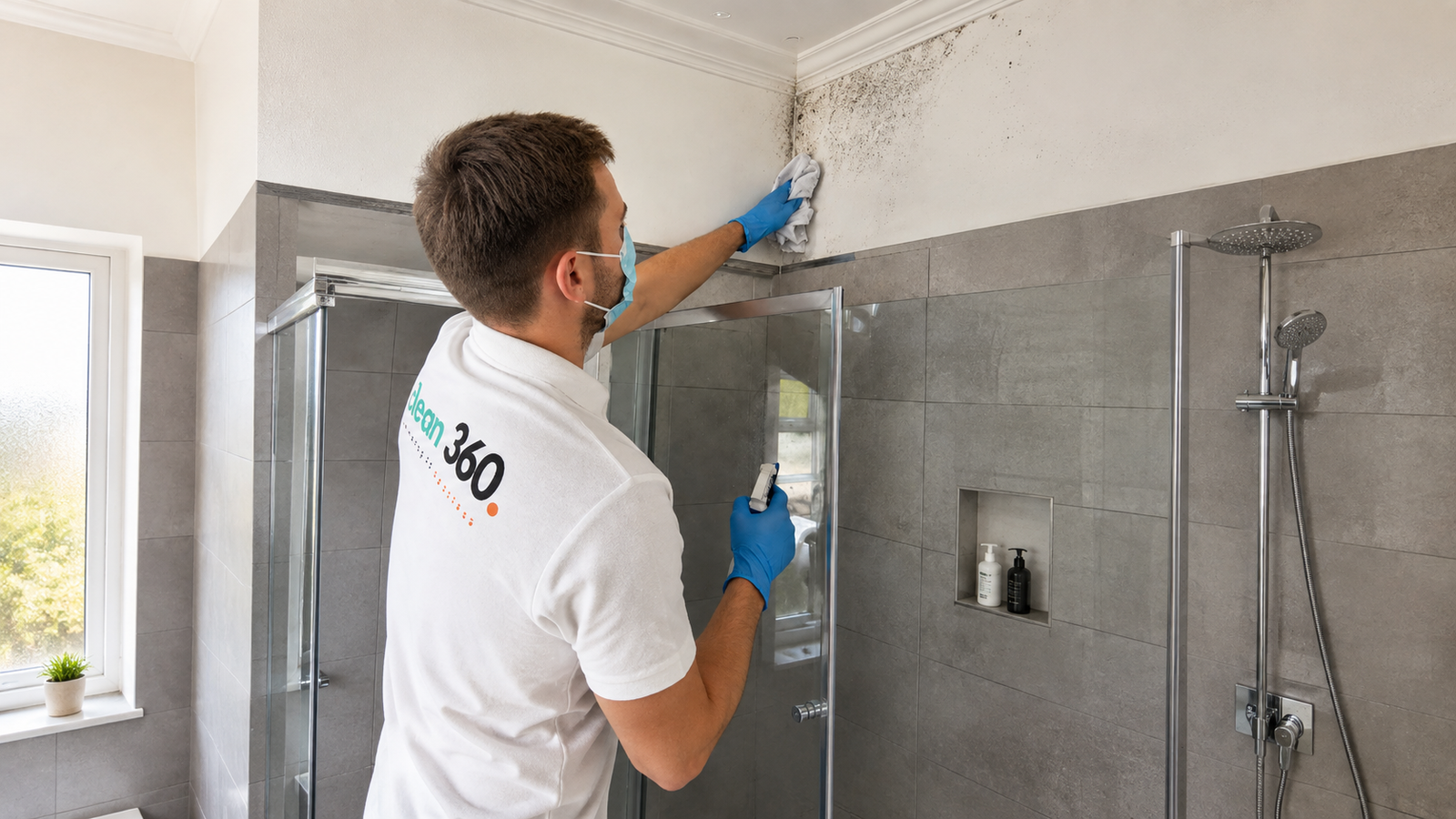
Yes, mold can return after professional treatment if the source of moisture has not been corrected. Cleaning may remove visible growth, disinfect suitable surfaces and apply preventive treatment, but it cannot stop an active leak, repeated condensation or poor ventilation.
Professional mold removal Dubai services are most effective when cleaning is combined with practical moisture control. If the same wall, ceiling or bathroom corner remains damp, new growth may eventually appear even after the original affected area has been treated properly.
Quick Answer
Mold can return after professional removal when leaks, condensation, humidity or ventilation problems continue. Professional treatment can remove visible mold, disinfect suitable surfaces and help inhibit future growth, but it cannot guarantee permanent prevention. The underlying moisture source must also be identified, repaired and monitored.
Why Can Mold Return After Cleaning?
Mold recurrence happens when moisture returns to an area and creates suitable conditions for new growth.
The visible mold may have been removed correctly, but the surrounding environment can still support future growth. This is why a responsible cleaning company should not promise that mold will never return.
Common causes include:
- Plumbing leaks
- Condensation around AC areas
- Poor bathroom ventilation
- Water entering around windows
- Damaged grout or sealant
- Damp walls or ceilings
- Furniture blocking airflow
- Wet materials that have not dried fully
- High indoor humidity
“Mold removal is more effective when the underlying source of moisture is also addressed.”
An Unrepaired Leak Is Still Active
A slow leak beneath a sink, behind a bathroom wall or above a ceiling can remain hidden for a long time.
Professional cleaners can treat visible affected surfaces, but they cannot stop water from returning unless the plumbing problem is repaired. If the material continues absorbing moisture, mold may reappear in the same area or spread to nearby surfaces.
Warning signs of a hidden leak include:
- Peeling paint
- Swollen cabinets
- Damp patches
- Water marks on ceilings
- Musty odours
- Repeated discoloration
- Soft or damaged wall material
A plumber or property-maintenance professional may need to inspect the area before or after mold treatment.
Condensation Continues Around AC Areas
Frequent air-conditioning use is normal in Dubai, but temperature differences can contribute to condensation.
When cold AC components or nearby walls meet warm, humid air, water droplets may form around grilles, ceilings or pipes. If the moisture is not properly managed, mold can return after surface treatment.
Repeated marks near an AC unit may indicate:
- Condensation around ducts
- Inadequate insulation
- Blocked drainage
- Limited airflow
- An AC maintenance issue
- Moisture collecting behind a panel
Professional mold removal Dubai treatment can address suitable visible areas, but an AC technician may also need to investigate the cause.
Bathroom Ventilation Remains Poor
Bathrooms generate moisture every time a shower or bath is used. When steam cannot escape, it settles on walls, ceilings, grout and sealant.
Mold is more likely to return when:
- Exhaust fans are not working properly
- Bathroom doors remain closed after use
- Wet surfaces are not dried
- Grout or sealant is damaged
- The room has limited airflow
- Damp towels remain inside
Regular cleaning can remove soap scum and limescale, but it does not replace proper ventilation.
After professional mold treatment, allow the bathroom to dry properly and monitor the areas where marks appeared previously.
The Material Remains Damp Internally
Some surfaces can hold moisture beneath the visible layer. Painted walls, wood, plasterboard and cabinetry may feel dry on the outside while remaining damp internally.
This can happen after:
- A plumbing leak
- Water entering from another apartment
- An overflowing appliance
- Window leakage
- Excessive cleaning moisture
- A previous flood
- Long-term condensation
Deeply affected porous materials may not always be suitable for cleaning alone. If plasterboard, wood or insulation has deteriorated, removal and replacement may be necessary.
Professional cleaners should explain when the material requires repair rather than repeated surface treatment.
Preventive Treatment Is Not a Permanent Barrier
Professional mold remediation may include preventive treatment intended to inhibit future growth on suitable surfaces.
This treatment can support the cleaning process, but it is not a permanent shield against ongoing moisture. A treated wall may develop mold again if it is repeatedly exposed to leaks or condensation.
“A preventive mold treatment cannot replace plumbing repairs, ventilation improvements or moisture control.”
Customers should be cautious of any service promising permanent prevention after one visit without reviewing the condition of the property.
Was the Mold Properly Identified?
Sometimes dark marks are cleaned as ordinary dirt without the area being assessed properly. In other cases, only the visible centre of the affected section is treated while nearby moisture-prone areas are overlooked.
Professional treatment should begin by reviewing:
- The visible affected area
- Nearby walls and corners
- The surface material
- Possible moisture sources
- Previous cleaning attempts
- Signs of damage
- Ventilation conditions
- Whether the area is still damp
Photographs may help with an initial review, but an inspection can be necessary when the affected area is large, recurring or located behind fixtures.
Does Deep Cleaning Prevent Mold From Returning?
A general deep clean can remove dust, grease, soap scum and limescale. It can also improve overall bathroom and kitchen cleanliness.
However, a standard deep-cleaning service is not the same as mold remediation.
Professional mold treatment may include:
- Identifying visible affected areas
- Inspecting moisture-prone spaces
- Safe removal from suitable surfaces
- Thorough surface disinfection
- Preventive treatment
- Guidance about possible moisture sources
“A standard home deep clean does not automatically include professional mold removal.”
The role of professional deep cleaners in Dubai is to identify when ordinary cleaning is not enough and recommend a separate treatment rather than simply wiping over the affected area.
How Can You Reduce the Chance of Mold Returning?
There is no way to guarantee that mold will never return, but practical steps can reduce the conditions that support it.
Repair Leaks Promptly
Do not ignore small water marks, dripping pipes or swollen cabinet panels. Slow leaks can cause continuing moisture even when no standing water is visible.
Improve Ventilation
Use bathroom exhaust fans, allow steam to escape and create airflow after showers. Avoid leaving damp rooms closed for long periods.
Monitor AC Areas
Watch for condensation, water droplets or repeated discoloration around vents and ceilings. Arrange professional AC inspection when moisture continues to appear.
Dry Wet Surfaces
Wipe shower areas, window sills and other frequently wet surfaces. Do not allow water to remain around grout, sealant or cabinet edges.
Leave Space Behind Furniture
Avoid placing large wardrobes, beds or sofas tightly against damp or exterior-facing walls. A small gap can improve airflow and make moisture easier to detect.
Replace Damaged Materials
Failed sealant, damaged grout, peeling paint and deteriorated plasterboard may need repair after the mold has been treated.
How Clean360 Approaches Recurring Mold
Clean360 provides professional mold cleaning and remediation for suitable areas in Dubai properties.
The process may include identifying visible affected areas, checking moisture-prone locations, removing suitable surface growth, disinfecting treated surfaces and applying preventive treatment intended to inhibit future growth.
Special attention is given to bathrooms, kitchens, AC zones and other spaces where moisture commonly collects. The team also explains when another professional may be needed to repair a leak, inspect an AC issue, replace damaged sealant or improve ventilation.
Clean360 does not guarantee that mold will never return. Results depend on the surface, moisture level, ventilation and whether the underlying cause is corrected.
Frequently Asked Questions
Can mold come back after professional removal?
Yes. Mold may return when leaks, condensation, humidity or poor ventilation continue. Professional treatment addresses visible affected surfaces, but the underlying moisture source must also be managed.
How quickly can mold return?
There is no fixed timeframe. Recurrence depends on how much moisture is present, the affected material, airflow and whether the original cause was corrected.
Does preventive treatment stop mold permanently?
No. Preventive treatment may help inhibit future growth on suitable surfaces, but it cannot permanently protect an area that remains damp or continues receiving water.
Is recurring mold a cleaning problem?
Not always. Recurring mold may indicate a plumbing leak, AC condensation, damaged sealant, water entry or inadequate ventilation. Cleaning should be combined with property maintenance where necessary.
Can deep cleaning remove recurring bathroom mold?
A standard deep clean is not a substitute for mold remediation. It can address limescale and soap residue, but recurring mold requires separate assessment, removal and disinfection.
Should mold-damaged plasterboard be cleaned or replaced?
The answer depends on how deeply the material is affected. Severely damp, weakened or deteriorated plasterboard may require removal and replacement rather than repeated surface cleaning.
How can I stop bathroom mold from returning?
Improve ventilation, dry wet surfaces, repair damaged sealant and address leaks or condensation. Professional treatment can remove visible mold, but moisture control remains essential.
Treat the Moisture as Well as the Mold
Professional mold removal Dubai services can remove visible mold, disinfect suitable surfaces and apply preventive treatment. However, mold may return when the property still has leaks, condensation, poor ventilation or damp materials.
For an assessment by professional deep cleaners in Dubai, contact Clean360 by phone or WhatsApp at +971 52 996 6803 or email info@clean360.ae. Share photographs, the affected location and details of any leaks or condensation so the team can recommend the appropriate cleaning or remediation service.